Is the Indian Pacific Rail Journey From Perth to Adelaide Worth the Cost? In short: yes, if you care more about the journey than the stopwatch. This is not the cheapest way to cross the Nullarbor, and it’s certainly not the fastest. What it offers instead is time, comfort, and a rare chance to watch Australia unfold properly—kilometre by kilometre, without gripping a steering wheel or sprinting through an airport.
I’ve crossed this part of the country every way imaginable: long-haul drives with road trains breathing down your neck, quick flights that blur the land into nothing, and once with a busted esky that ruined morale by day two. Taking the Indian Pacific sits in a different category altogether. It’s calmer, slower, and far more.
What You’re Actually Forking Out For Onboard
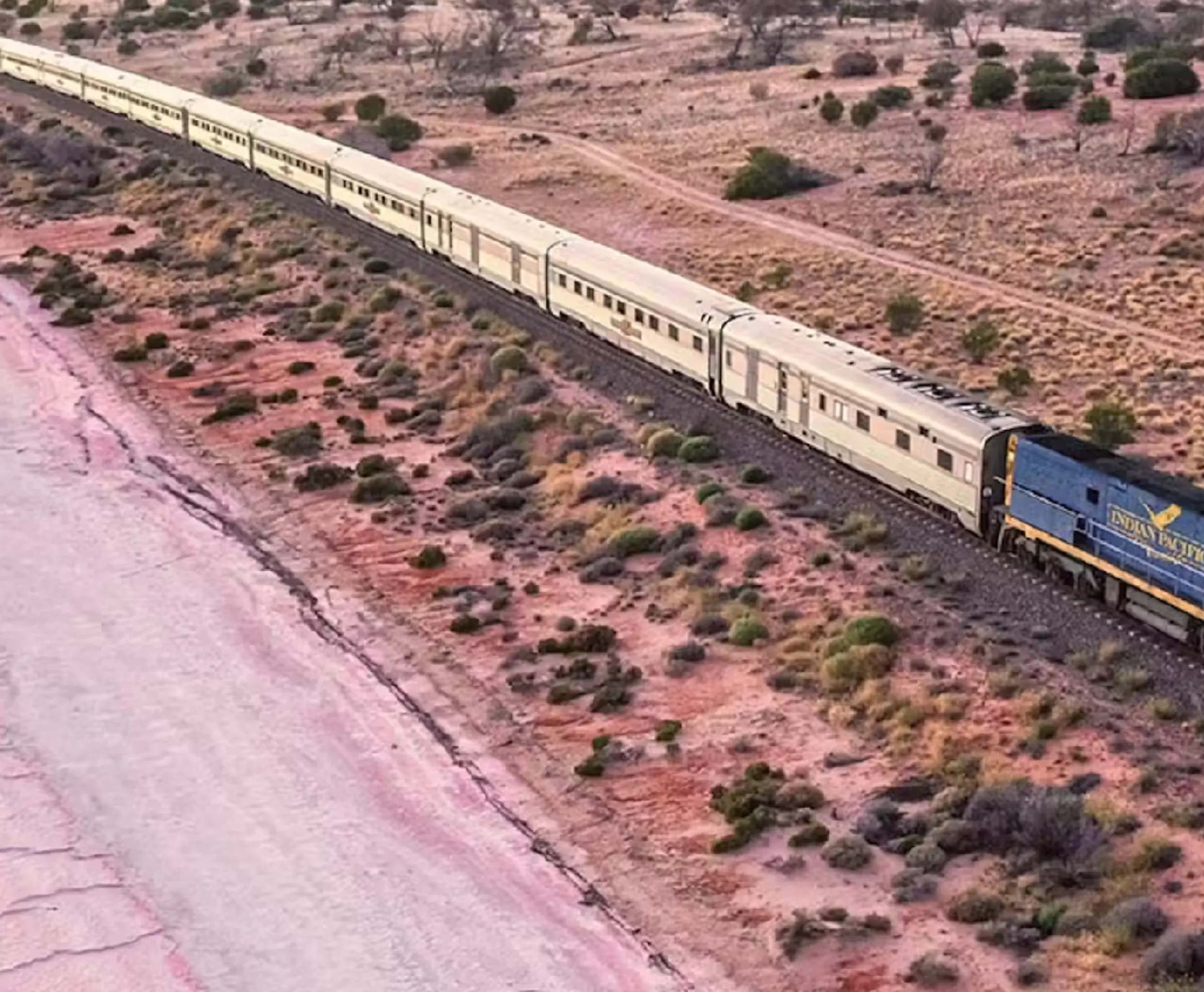
This isn’t just a ticket to ride – you’re paying for a seriously curated onboard experience that smooths out all the hassle of long-distance travel.
The Indian Pacific is run by Journey Beyond – and that Perth–Adelaide stretch follows the old Trans-Australian Railway. This line was carved through the bush by pioneers and railway crews back in the day, linking WA with SA before there were any bitumen roads or cheap flights.
What you usually get with your ticket:
- A private cabin that swings from daytime lounge to bed
- All your meals are served up in a dedicated dining car
- Australian food done with a regional twist, paired with some great Aussie wines
- Off-train stops that actually give you something interesting, rather than just trying to spin some novelty angle
- Staff who genuinely know the railway track and the land it crosses
It’s not just about getting from A to B. The journey is the main event.
How The Days Unfold On The Perth to Adelaide Leg
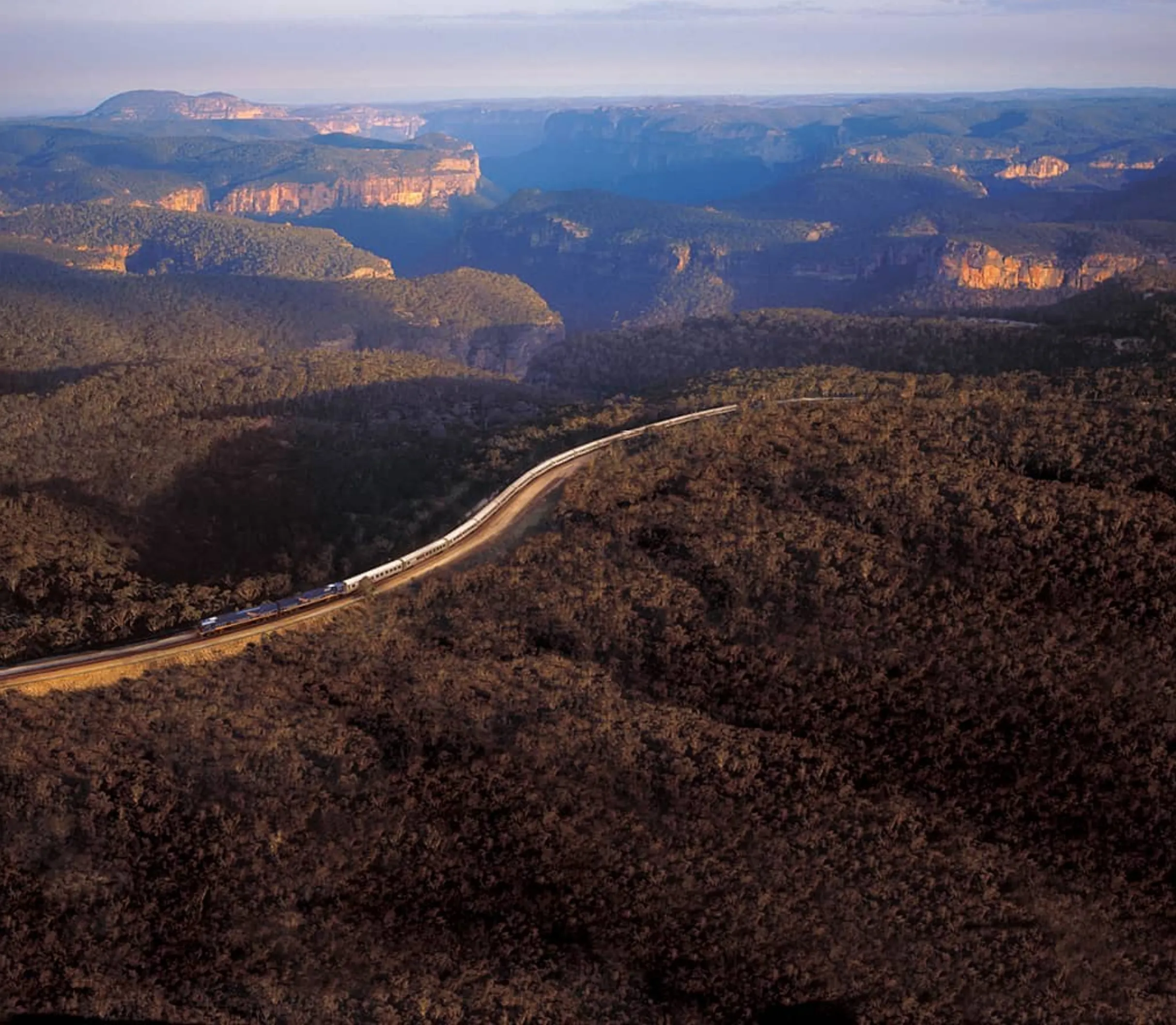
This journey takes about three days and two nights to get from Perth to Adelaide. You roll out of Perth, skirt the WA goldfields & pass by Kalgoorlie & the Super Pit – one of the biggest open-cut gold mines on the planet – then head east across some pretty remote country.
By the time you hit the Nullarbor Plain, the landscape gets pretty weird. The land just kinda… flattens out. Endless plains go on for miles. Then you lose sight of fences, the sky becomes the main attraction, and you’re watching a wedge-tailed eagle soaring overhead & it suddenly becomes the most exciting thing you’ve ever seen.
Onboard, you really start to feel the mood shift. People start to wind down. Strangers become friends. Conversations just go on & on because, you know, you’ve got all day.
Cabins, Service Levels, And Where Reality Meets Comfort
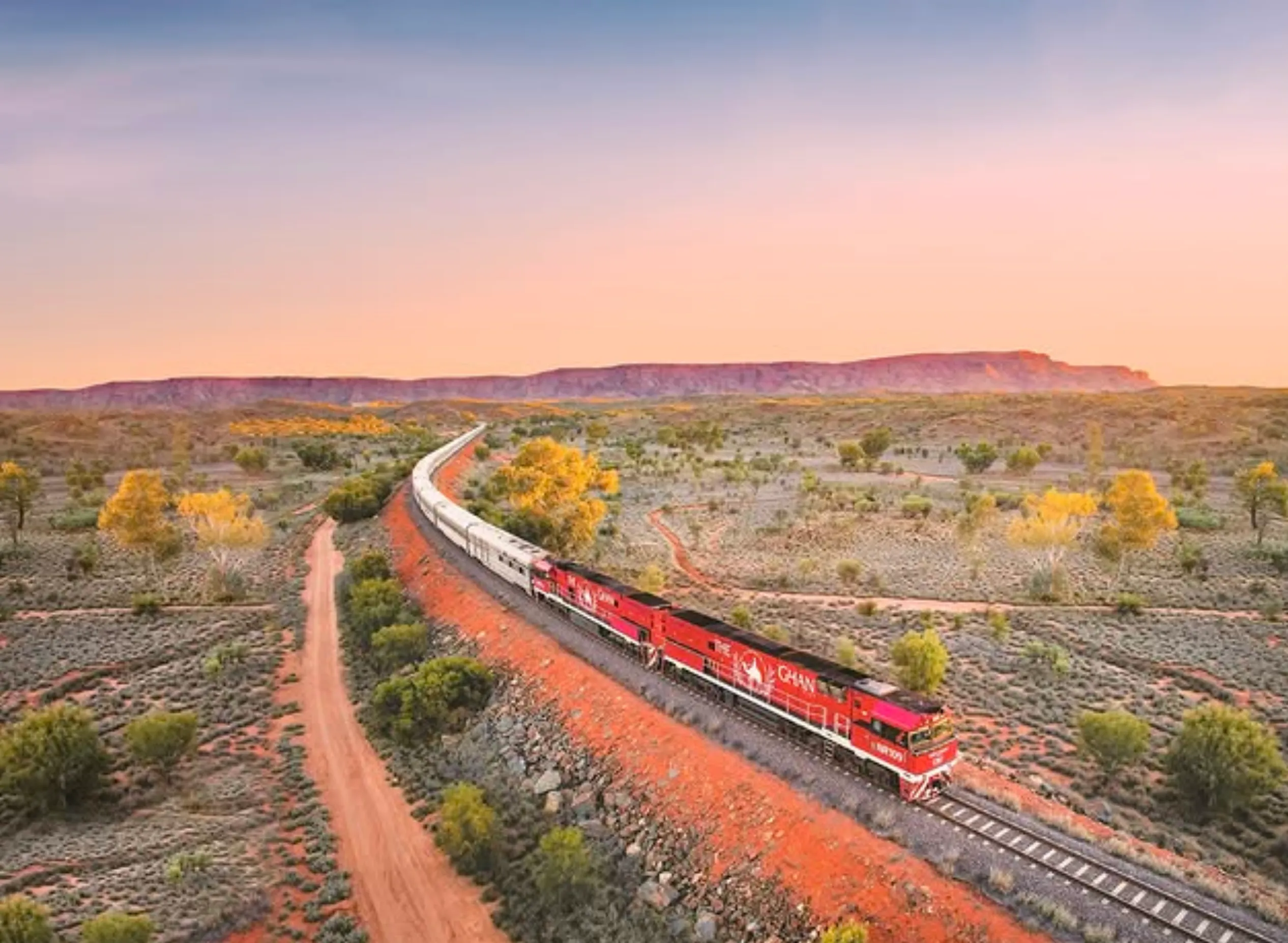
You’ve got two main options on this route: Gold Service (also called Gold Class) and Platinum Service (also called Platinum Class). Both are comfy – one is just a bit more roomy.
| Service Level | Cabin Type | What You Notice Most | Indicative Price* |
|---|---|---|---|
| Gold Service | Gold Twin or Single | Excellent comfort, shared lounge car | AUD $2,000–$2,600 |
| Platinum Service | Larger private cabin | More space, quieter atmosphere | AUD $3,800–$4,600 |
Prices can vary wildly depending on the time of year and how well booked the train is (accurate as of 2025, though that’s a bit of a moving target). Booking well in advance with a special Advance Purchase Fare can make a pretty sizeable difference though.
Gold service is a great fit for most people, but if you’re over 6 feet tall, or travelling in a couple who values having a bit of space to themselves, then Platinum Service is well worth considering – or if you just want a more peaceful time in your own bubble for the next 3 days
Food, Wine, & Why Meals Onboard Really Do Matter
Meals onboard aren’t flashy, but they’re thoughtfully put together – and that’s what counts when food is one of the day’s highlights.
The dining car serves up some seriously world-class grub, built around a monthly themed dinner concept that draws inspiration from the region we’re currently passing through. So as we chug into South Australia, you can expect to see some top-notch Aussie wines from the Barossa and McLaren Vale making an appearance – or sometimes just a nice bottle of something to match the menu.
It’s pretty social by nature – you’ll often end up sharing tables, and it’s not unusual to have some pretty interesting conversations going on while you wait for dessert, e.g., road stories, travel plans, or heated debates about the best places to visit in Adelaide
The Lounge Car & The Lost Art Of Doing Nowt
Between meals and sleep, the lounge car is where most of the magic happens. This is the place where folks get out their maps and point out how flat the Nullarbor really is (again!), or where you spot wildlife or engage in a heated argument about what makes the perfect cup of coffee.
There is no phone reception across much of the route – that’s on purpose, or at least it has to be – and it changes how people behave. You end up reading a book, taking a nap, or just staring out the window as the desert slides past in slow motion.
I’ve seen people turn up on the train looking like they’re ready to take on the world, only to leave looking oddly calm and relaxed, simply because the train forced them to stop multitasking.
Off-Train Stops That Add Real Value
The stops along this route aren’t just rushed platform photo opportunities. They’re short breaks that give you a chance to see some of the real Australia, and the little railway towns that exist because of the train.
You get to visit places most Aussies only ever come across when their car breaks down – stories of survival, isolation and ingenuity are just a short walk from the train platform. No fuss, no hassle – everything is taken care of for you.
For people who go on to explore SA a bit more, these stops can actually spark real interest in Adelaide guided tours when they get there.
Cost Comparison: Train, Plane, Or Drive
Time to tear up your expectations.
Domestic travel statistics show that most people fly between WA and South Australia, which makes sense given that flying is usually about getting to your destination as quickly as possible. However, the Indian Pacific is a completely different story. It doesn’t compete on price – and it can’t match the speed of a plane – but it does have something that the airlines don’t: an experience.
If getting to where you need to be as quickly as possible is your main priority, then fly. But if you want to get a real understanding of the country in between, the train is well worth the extra time and money.
Who This Journey Is Really Suitable For
This rail journey works perfectly for some people and is just not their cup of tea for others. Working out which group you fall into is really important.
It tends to suit people who:
- don’t mind taking things easy and prefer a more relaxed pace of travel
- are happy to splash out on the level of comfort they want
- really want to get a feel for what the inland of Australia is like
- love the idea of just being able to switch off and not worry about a thing
On the other hand, if:
- you need to keep an eye on your budget
- you need the flexibility to change your plans while you’re on the move
- you’re looking for high-energy activities rather than just relaxing
Then the Indian Pacific probably isn’t the best choice for you.
Actually, for many people, this journey works really well as the first part of a bigger adventure. Picking up in Adelaide and then moving on to spend some time by the coast, or exploring the nearby wine regions, or doing a guided tour of the city – there are loads of options to choose from.
The Big Change As You Roll Into South Australia
As you start to get into South Australia, the scenery really starts to shift. The saltbush that was so dominant in the Nullarbor Plain starts to disappear, and the Adelaide Plains take over. The vineyards start to appear, and the towns get a bit closer together.
A lot of people end up finishing the train journey and then straight off to explore:
- the Central Market in Adelaide for some great food and coffee
- the wine regions like McLaren Vale or the Barossa
- the cultural attractions around Adelaide Oval
Some people also choose to connect with operators like Wildlife Tours if they want to get out and do nature-focused activities to balance their train experience.
Cultural Awareness And Respect For Country
The Nullarbor is often written off as empty. But let’s be honest, it’s not. That vast expanse out there has a rich cultural significance that can’t be ignored.
On any organised rail journey you take, you’ll be following guidance from the Traditional Owners of the land. You won’t be wandering into restricted areas, treating the landscape like some kind of novelty. That respect is baked into the way the journey is set up, and that’s something you should be valuing rather than questioning.
A Long-Haul Perspective After Years On The Road
Is this rail journey cheap? Actually, no. Is it fast? Not a chance. Does it justify its cost for the right kind of traveller? Absolutely.
After all those years of traversing Australia by bus, 4WD and back roads, I’ve finally come to appreciate the kind of journeys that don’t ask too much of you physically and give a lot more back mentally. The Indian Pacific does just that – it turns distance into a reward.
For the travellers who go on to explore South Australia in more depth – say, through wine regions, or even just chillin with the local wildlife – this rail journey often becomes the quiet highlight that sets everything else off.
The Takeaway: Choose It For Perspective, Not Speed
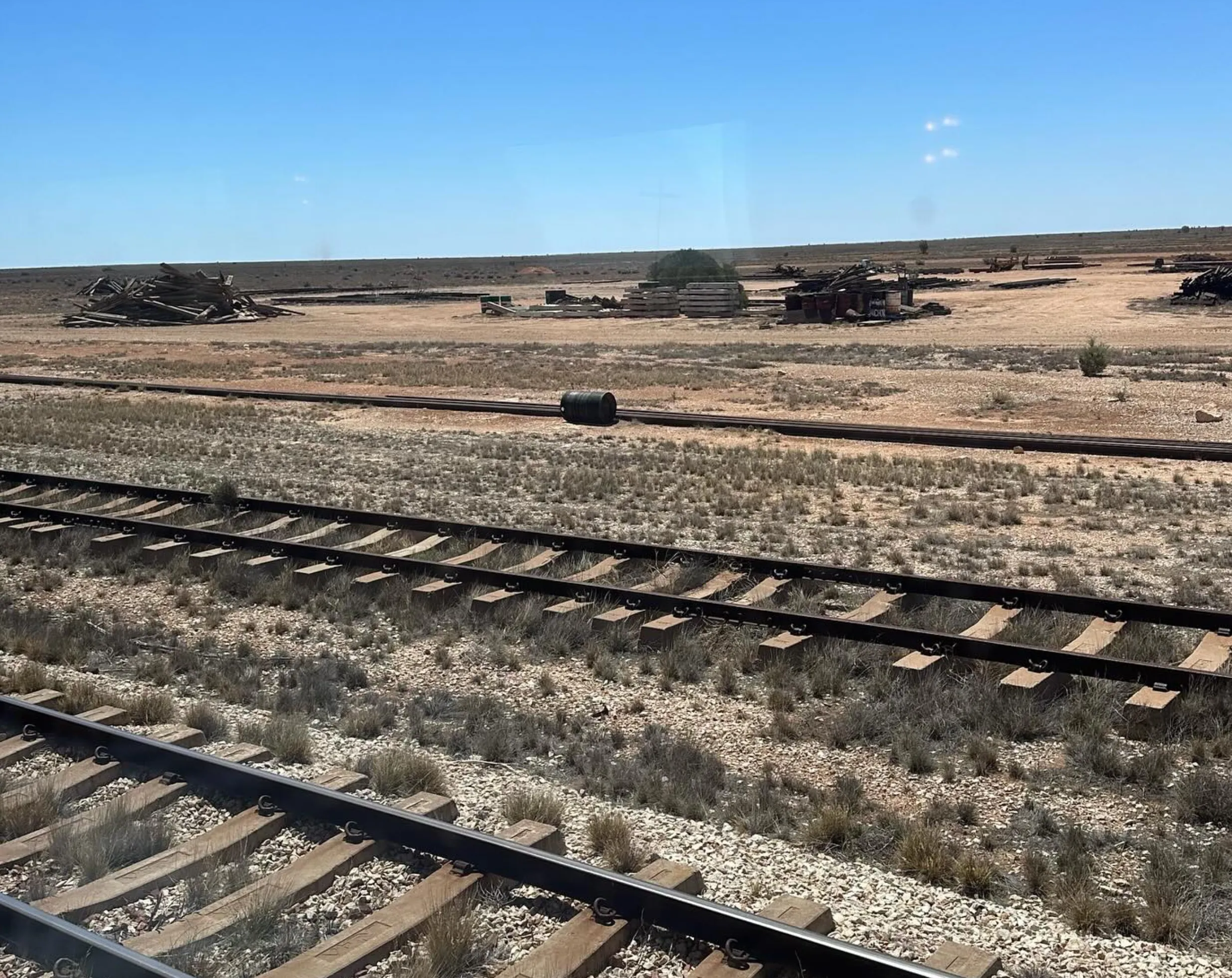
The Indian Pacific between Perth and Adelaide is all about letting the continent set the pace. If you value comfort, stories, and just having the space to think, then yes, this journey is worth the investment.
Book your ticket early if you can, have a look at the advance purchase options, and don’t even try to cram too much on either side. This journey is at its best when it’s allowed to breathe.
If you’re weighing up whether this journey fits your style, start thinking less about the price tag and more about what three uninterrupted days of Australia might give you back.
FAQ
Is this a physically demanding journey?
Not by a long shot. Movement is minimal, cabins are solid as a rock, and the staff will assist you whenever you need it.
How much luggage can I bring onboard?
A bit more than you’d get away with on a plane, but less than you’d have room for on a road trip. Soft bags are the way to go.
Do meals come with drinks?
Yes, they do, including some of Australia’s best wines, beer, and non-alcoholic options.
Will I be bored without phone reception?
Most people don’t get bored out here without their phones. There’s plenty to keep you occupied – all you need to do is pick up a book, have a chat with your fellow travellers, or just take in the view.
Does this pair well with some time in Adelaide after the trip?
Very much so. Loads of travellers just roll straight into Adelaide and get involved in some guided tours, food experiences or wildlife trips with operators like Wildlife Tours.